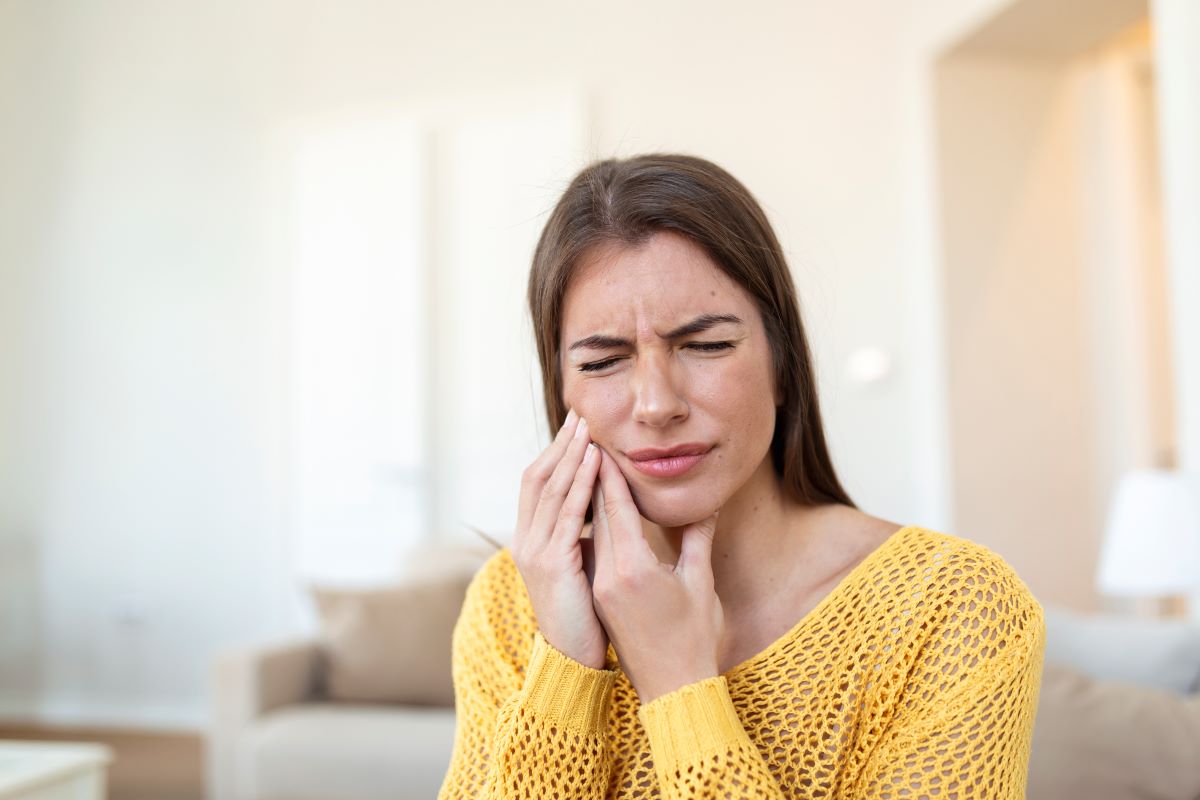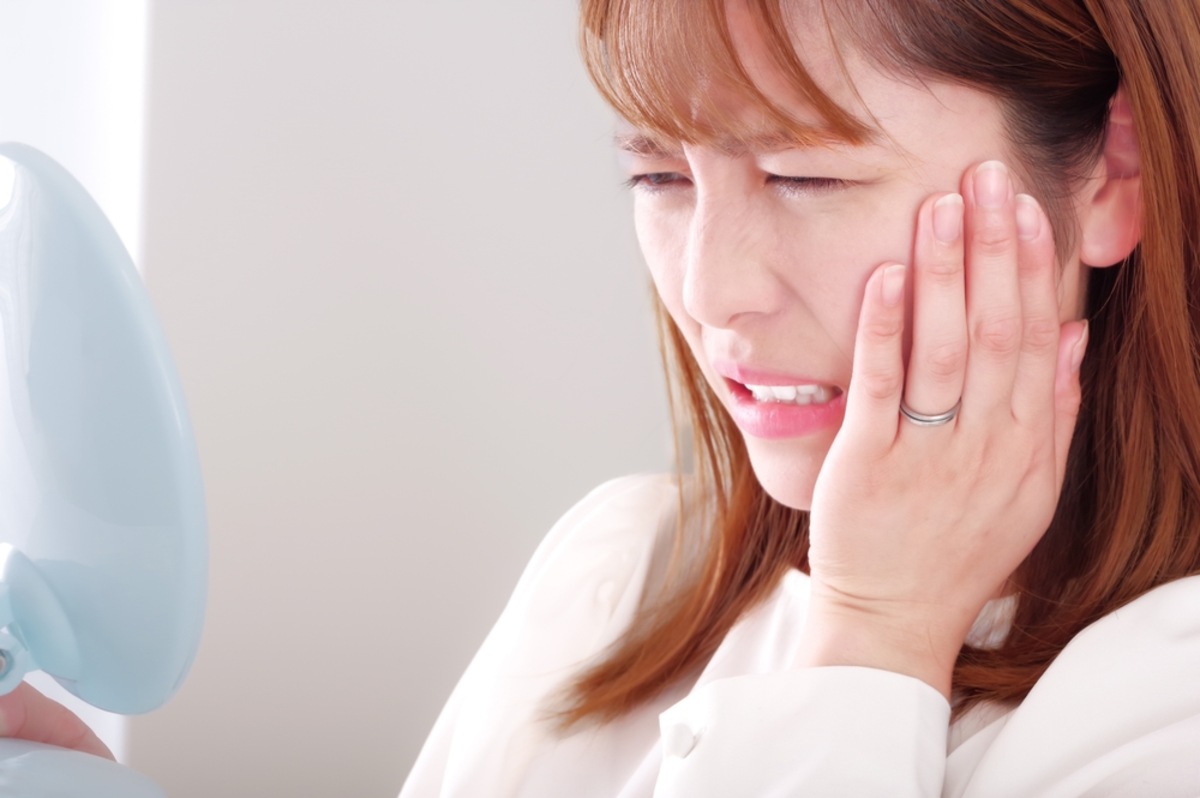
Have you been experiencing continuous pain in the jaw and wondered whether it can be related to the teeth, bite, or jaw movement? You could visit a dental clinic in NE Calgary that can check for these signs involving the teeth, jaw joints, or nearby muscles. Your jaw can ache for many reasons, including grinding, clenching, but also with dental issues and jaw strain. If the reason for your discomfort is understood, the correct next step can be undertaken along with further dental or medical evaluation if required.
What Is TMJ Disorder?
TMJ disorder means there is a problem with the jaw joints that connect your lower jaw to your skull. These joints help you move your jaw when you talk, eat, and yawn.
Problems can affect the jaw joints or the nearby muscles. A dental professional can assess your jaw movement and oral health to determine the cause and recommend appropriate care.
Can Jaw Pain Be a Dental Problem?
Yes. TMJ treatment in NE Calgary may involve looking at how the teeth, bite, jaw muscles, and joints work together. Dental concerns such as tooth damage, grinding, clenching, or changes in the bite can sometimes contribute to jaw discomfort.
However, jaw pain is not always caused by a dental issue. Muscle tension, joint problems, injuries, and other conditions can also play a role.
A proper assessment helps narrow down the possible cause.
What Dental Issues Can Contribute to Jaw Pain?
Some dental problems and habits can put extra pressure on your jaw.
Possible causes include:
- Grinding your teeth
- Clenching your jaw
- Having a damaged or painful tooth
- Changes in how your teeth come together
- Missing teeth that make chewing harder
- Putting too much pressure on some teeth
These may be part of the problem, but they may not be the only cause. A dental checkup can help find the reason for your jaw problem.
What Are Common Signs That Jaw Pain Needs Attention?
A dental clinic near you can evaluate persistent or recurring symptoms, especially when they interfere with daily activities.
Consider arranging an assessment if there is:
- Ongoing jaw pain
- Pain when chewing
- Frequent headaches linked with jaw tension
- Difficulty opening the mouth
- A jaw that locks or gets stuck
- New or worsening clicking with discomfort.
- Increased tooth sensitivity from grinding or clenching
Early evaluation can help identify possible causes and guide the next steps.
How Is TMJ Disorder Evaluated?
An assessment usually begins with questions about symptoms, when they occur, and what makes them better or worse. The jaw may then be checked for movement, tenderness, and areas of discomfort.
The teeth and bite may also be examined for signs of wear or other changes.
Depending on the findings, imaging or referral to another healthcare professional may be considered when more information is needed.
What Can TMJ Treatment Involve?
Treatment depends on the cause and severity of the symptoms. TMJ treatment near youmay focus on reducing strain on the jaw and managing the underlying concern.
Depending on the situation, care may include:
- Advice on reducing jaw clenching
- Changes to chewing habits for a short period
- A mouth guard when appropriate
- Treatment for related dental problems
- Exercises or other supportive measures
- Referral for further evaluation when needed
Not every person with jaw pain needs the same treatment.
Can Teeth Grinding Affect the Jaw?
Yes. Repeated grinding or clenching can place extra pressure on the teeth, jaw muscles, and joints. Over time, this may contribute to soreness, tooth wear, or other symptoms.
Grinding can happen during sleep without being fully noticed. Signs may include worn teeth, morning jaw soreness, or frequent headaches.
A dental assessment can help identify signs of excessive pressure and determine whether additional care is appropriate.
When Should Jaw Pain Be Checked Quickly?
Sudden or severe jaw pain should not be ignored, particularly when it occurs with other concerning symptoms.
Prompt medical or dental assessment may be needed when there is:
- Significant swelling
- Severe or rapidly worsening pain
- Major difficulty opening the mouth
- A jaw injury
- Difficulty swallowing or breathing
- Fever along with facial or jaw swelling
These symptoms may have causes that require more urgent attention.
Find the Cause Behind Your Jaw Discomfort!
Is jaw pain, stiffness, or discomfort making everyday activities such as eating or speaking difficult? A detailed dental assessment can examine your teeth, bite, jaw movement, and surrounding areas to help identify possible sources of the problem. Understanding the cause can make it easier to discuss suitable treatment options and decide whether further evaluation is needed. Book an appointment with Coral Springs Dental to have your concerns assessed and receive personalized guidance for your next step.
FAQs
Can TMJ disorder cause headaches?
Yes, tight jaw muscles can sometimes cause headaches, especially near the temples or forehead. However, headaches can have many causes.
Does jaw clicking always mean TMJ disorder?
No. Jaw clicking without pain or trouble moving your jaw may not be a serious problem. See a dentist if you have pain or changes in how your jaw moves.
Can a mouth guard help with jaw pain?
A mouth guard may help if you grind or clench your teeth. Your dentist can suggest the right type for you.
Can a Tooth Problem Cause Jaw Pain?
Yes. A cavity, damaged tooth, or infection can cause pain that spreads to the jaw. Finding the cause helps your dentist choose the right treatment.